How To Vet A Supplement Brand Before You Order
Whether or not a brand discloses its full ingredient list, a few practical checks can help you evaluate whether it's worth trying.
These are the same questions we ask ourselves before recommending any product in this category.
1. Does the pricing and guarantee actually check out?
Verify the price you're quoted matches what's charged at checkout, and confirm the guarantee window and any conditions directly on the order page.
2. Are the ingredients named, even if undosed?
A brand that names its ingredients, even without amounts, is giving you more to work with than one that describes only general mechanism categories. See our piece on reading a label with no ingredients for why this distinction matters.
3. Does any third-party ingredient claim actually check out?
If you find a review site naming specific ingredients the brand's own materials don't mention, check whether that same combination appears verbatim on other, unrelated products. See our piece on spotting templated review content for the warning signs.
4. Does the marketing overreach into medical claims?
Legitimate dietary supplement marketing stays in general wellness language ("supports," "promotes") rather than claiming to treat, cure or diagnose a specific medical condition. Overreaching medical language is a genuine red flag.
5. Is the manufacturing claim checkable?
"Made in the USA" and "FDA-registered facility" are specific, checkable claims (even if we haven't independently audited them ourselves) — that's different from vague language like "premium quality" that means nothing specific.
Applying this to Royalfil
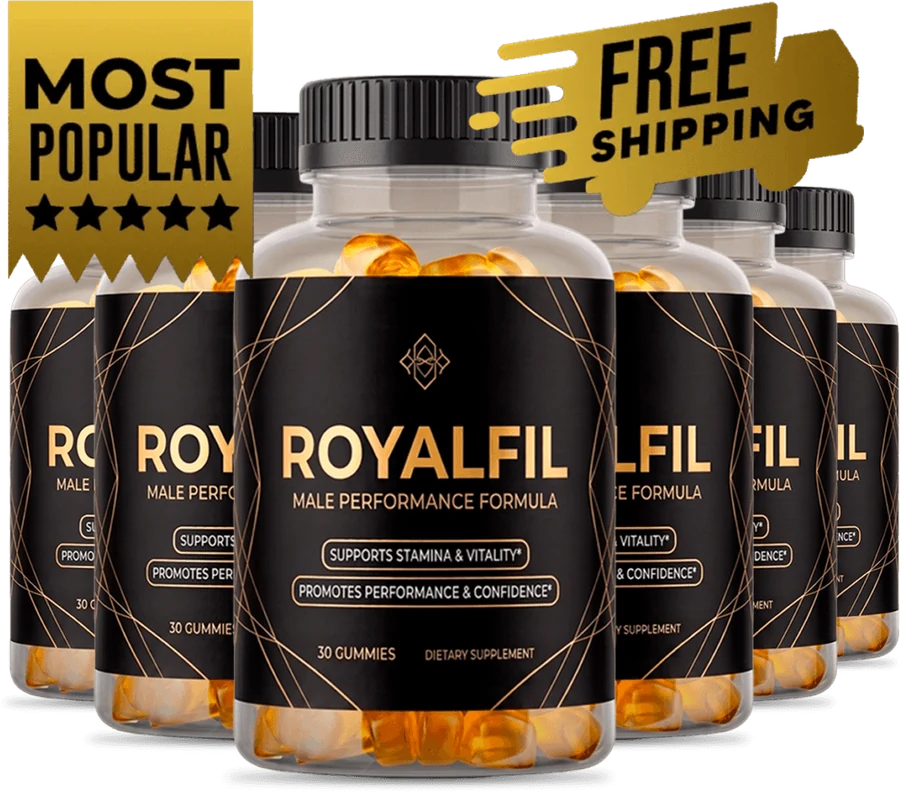
Royalfil checks several of these boxes — confirmed pricing and guarantee, checkable manufacturing claims, restrained wellness language — while falling short on ingredient disclosure, and we separately flagged a templated third-party ingredient claim. See our full 90-day review for the complete picture.